
Energy Efficiency in Electronics Manufacturing: Editorial Team Asks, Kontron Group Companies Answer
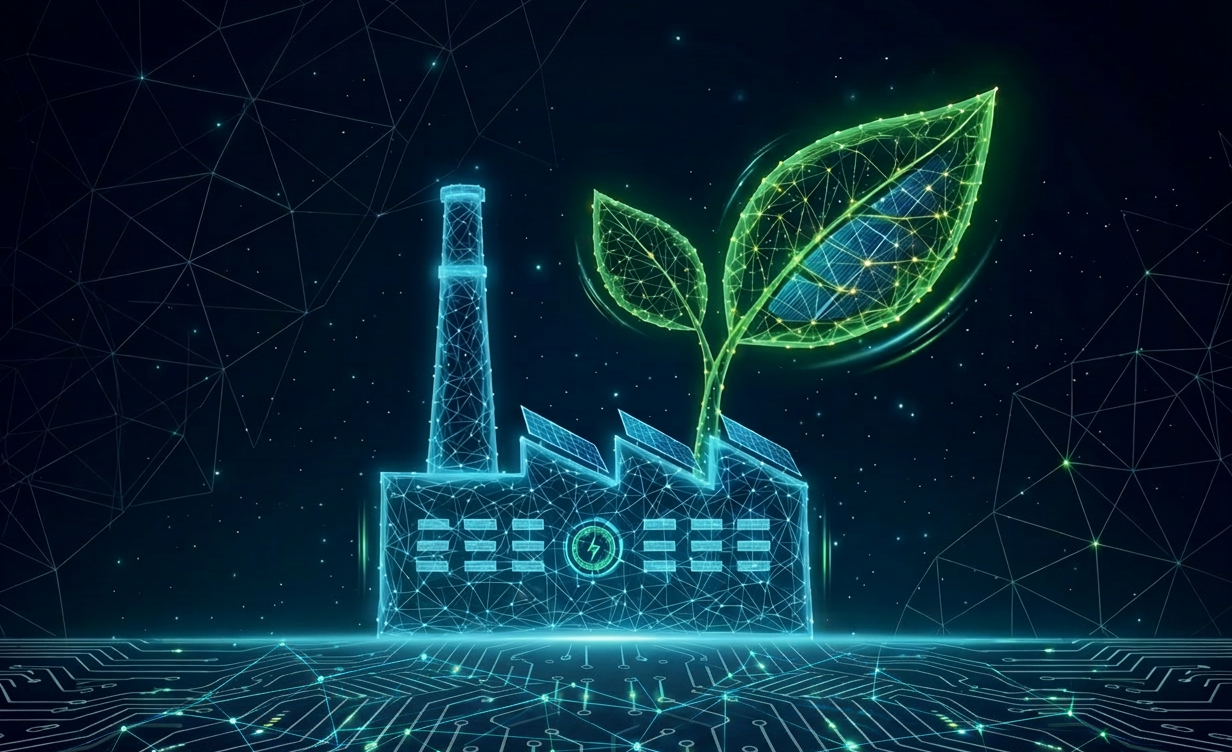
Electronics manufacturing is under increasing pressure: rising energy costs, regulatory requirements, and ambitious climate targets are driving the need for more efficient production processes. How companies are responding to these challenges is demonstrated by the Kontron Group companies united under the Electronics² service brand, which develop sustainable and energy-efficient ODM and EMS solutions across international locations.
In the following interview-style feature, Kontron and KATEK provide a concise overview of their key measures and strategies for sustainable electronics manufacturing.
Why is energy efficiency so important in electronics manufacturing?
Today, energy efficiency is both an environmental and an economic issue. In electronics manufacturing, energy prices, regulatory requirements, and sustainability targets directly impact processes, costs, and competitiveness. As a result, energy management is no longer approached selectively but is systematically integrated across production, infrastructure, and supply systems.
What does this look like in practice?
Three key levers are at the center of these efforts: renewable energy, efficient technologies, and digital control systems. Measures include photovoltaic systems, hydropower, heat pumps, heat recovery systems, LED lighting, automated shutdown processes, and digital monitoring tools. These initiatives are complemented by energy audits, certified energy management systems, and active employee involvement.
What role do renewable energy sources play at the different sites?
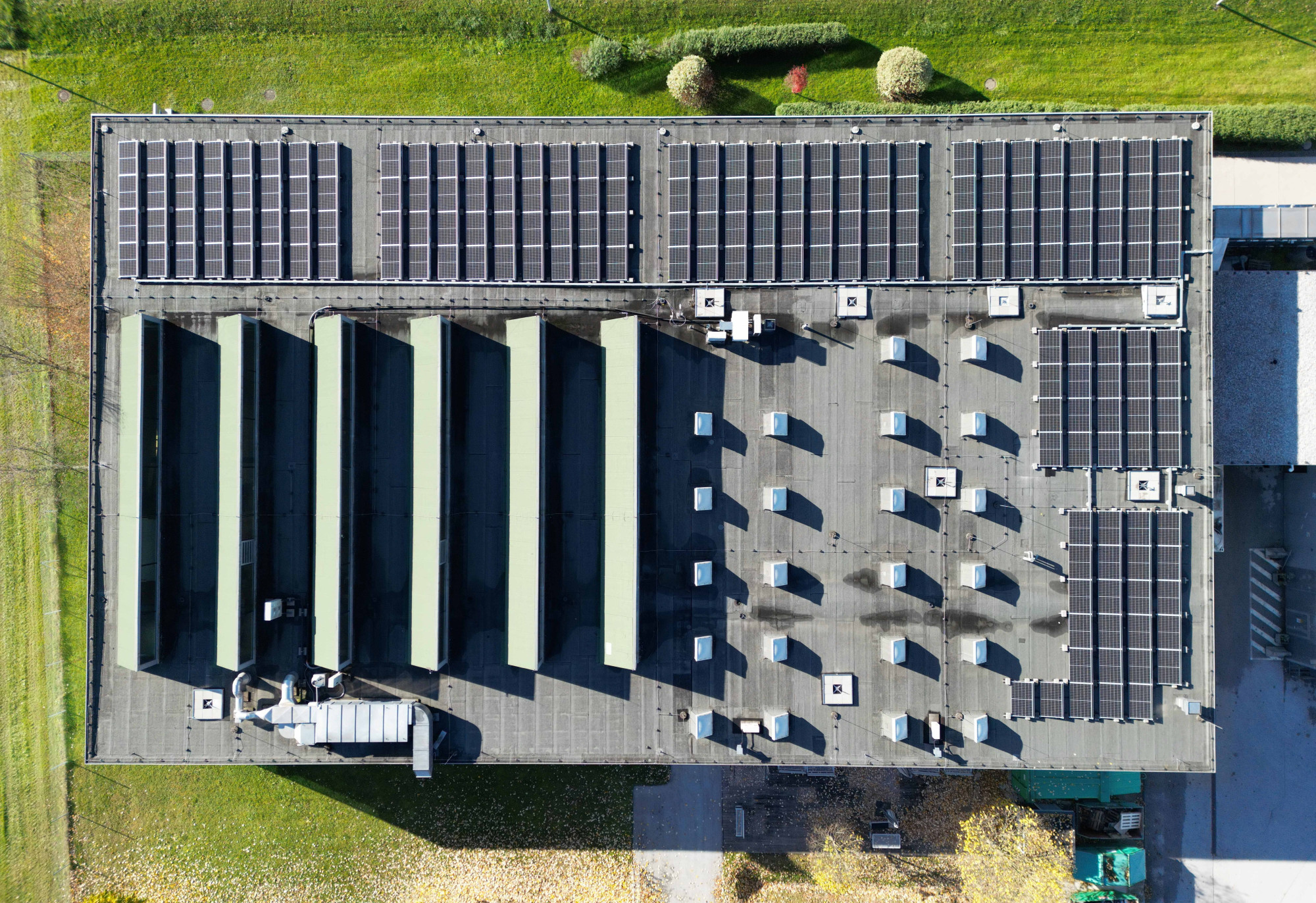
Renewable energy is a cornerstone of the sustainability strategy. Several sites operate their own photovoltaic systems, use electricity generated from hydropower, and rely on intelligent consumption management systems. At Kontron Austria in Austria, surplus solar energy is shared across locations through the “konEC” energy community. In Frickenhausen, Kontron Electronics solar power covers a significant portion of local energy demand, while the remaining electricity comes from renewable sources. High-performance photovoltaic systems in Mauerstetten and Kranj, Slovenia also make an important contribution to energy self-sufficiency and emissions reduction.
Which measures deliver the greatest impact in electronics manufacturing?
Some of the greatest energy-saving potential comes from modernizing existing infrastructure. This includes LED lighting, motion sensors, variable-speed motors, high-efficiency pumps, and advanced heating, cooling, and ventilation systems with heat recovery. In addition, automated shutdown systems outside production hours help avoid unnecessary energy consumption.
This approach has proven especially effective at KATEK in Grassau, where energy consumption has been reduced by more than half in recent years. Similarly, Kontron Electronics in Tab and Kontron in Kranj, Slovenia upgraded building technologies, optimized compressor systems, and demand-based controls significantly improve energy efficiency.
What role does digitalization play?
Digital systems provide the transparency needed to manage energy consumption effectively. Real-time energy data helps avoid peak loads, reduce idle times, and ensure equipment operates according to demand. In particular, digital monitoring has become a core element of energy management at Kontron eSystems in Leipzig and Kontron Automotive in Düsseldorf, enabling inefficient processes to be identified early and improved sustainably.
Is good technology alone enough?
No. Technology is essential, but sustainable energy efficiency also requires clear processes and binding standards. Certified management systems such as ISO 50001, environmental management under ISO 14001, and energy audits therefore play an important role. These efforts are further supported by organizational measures such as optimized logistics and reusable transport packaging.
What is the overall takeaway?
The international sites demonstrate that energy efficiency is most effective when measures are combined strategically: renewable energy, modern technology, digital transparency, and systematic energy management. This approach reduces energy consumption and emissions, lowers costs, and strengthens both climate protection efforts and long-term competitiveness.
How is this embedded strategically within the Kontron Group?
Sustainability is firmly embedded in the Kontron Group’s strategy. Kontron complies with the requirements of the European Sustainability Reporting Standards (ESRS) and, together with specialist departments across its largest subsidiaries, has defined concrete targets and action plans in the areas of environment, social responsibility, cybersecurity, and governance. The results will be presented in Kontron AG’s 2025 Sustainability Report.
Conclusion
Under the Electronics² service brand, Kontron and KATEK demonstrate how energy efficiency can be effectively implemented in ODM and EMS manufacturing through renewable energy, advanced technology, data-driven control systems, and clearly defined processes. This reduces costs, lowers emissions, and strengthens sustainable competitiveness.
Would you like to learn more? Speak with our experts about future-ready ODM and EMS solutions for electronics manufacturing.