
Electronics Manufacturing, Injection Molding, and Box Build in Leipzig: How Kontron eSystems Combines Manufacturing Expertise with the Strength of a Network
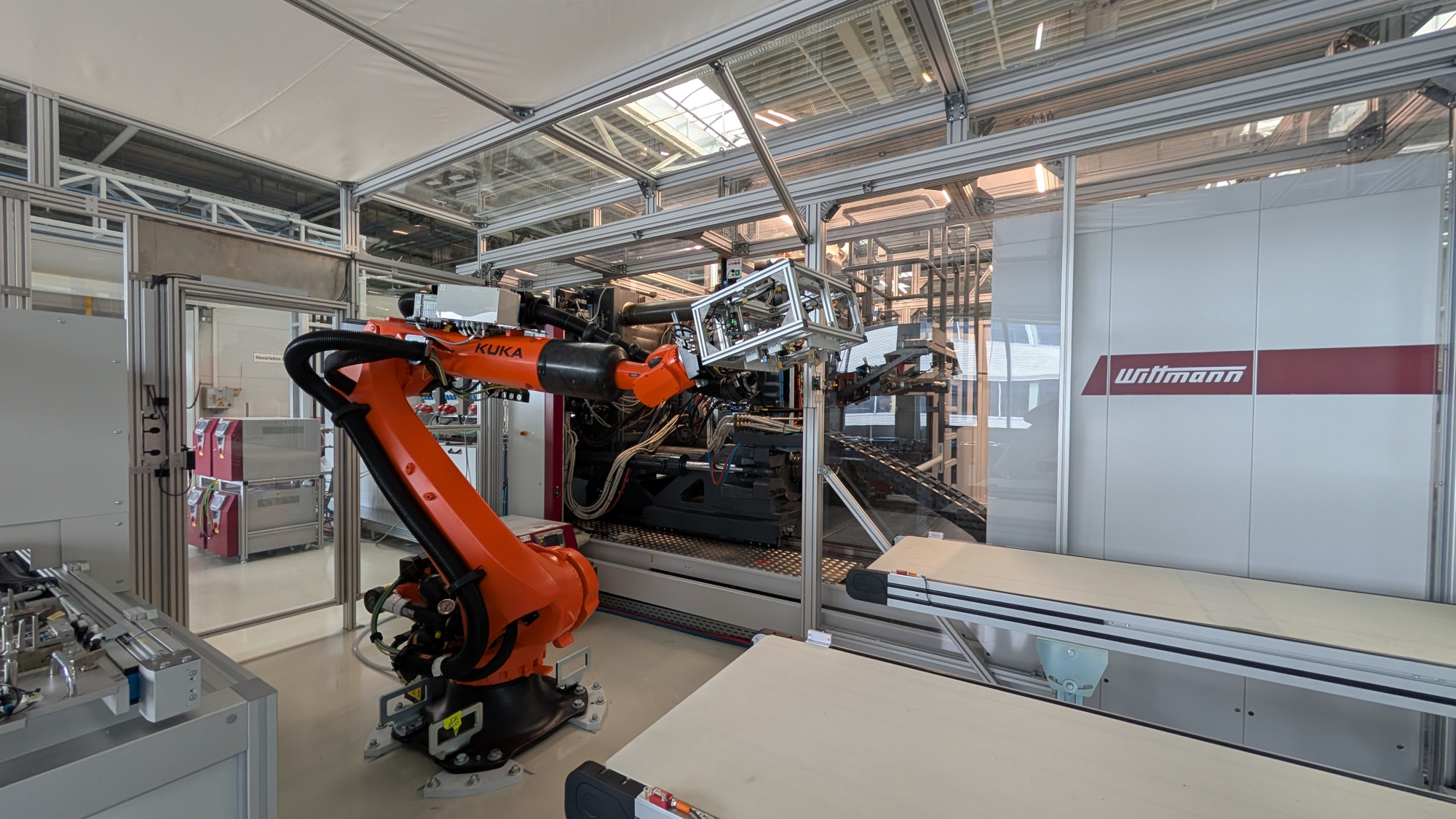
Kontron eSystems in Leipzig brings together key manufacturing and integration capabilities for demanding series production projects across a wide range of industries - from industrial electronics and energy technology to medical technology and automotive applications. Its service portfolio ranges from electronic assemblies and technical plastic parts to complete system integration.
As part of the Electronics² network, the joint service brand of Kontron and KATEK, Kontron eSystems is embedded in a European ODM/EMS network that ranks among the leading networks for electronics development and manufacturing in Europe. The Electronics² network complements the local strength of the Leipzig site with additional capacities, international scalability, and further capabilities within the group.
The editorial team spoke with Stefan Salesch, Director Sales & Marketing, about the services Kontron eSystems offers in Leipzig, the benefits this creates for customers, and why the combination of local manufacturing depth and network expertise is particularly relevant.
Mr. Salesch, how would you describe Kontron eSystems in Leipzig in just a few sentences?
Stefan Salesch: We specialize in electronics manufacturing, plastic parts, system assembly, and box build. Our strength lies in transferring demanding products into stable, reproducible series production processes. As part of the Electronics² network, we can expand this local manufacturing expertise with complementary services from other sites when needed. These include development expertise in Germany, Austria, and the Czech Republic, as well as additional manufacturing capacities within the network.
What specific services does the Leipzig site offer?
Stefan Salesch: Our focus is clearly on production. We have around 10,000 square meters of production space as well as an automated warehouse covering 3,000 square meters. Our service portfolio includes SMT assembly with automated optical inspection, guided manual THT assembly, wave and selective soldering, as well as high-voltage testing, burn-in, plastics manufacturing, ISO Class 8 cleanroom production, and traceable processes in line with automotive standards.
How has injection molding production at the Leipzig site evolved in recent years?
Stefan Salesch: In recent years, we have significantly expanded injection molding production as part of our plastics processing capabilities. Modern injection molding machines enable us to manufacture technical plastic parts directly on site, for example for industrial electronics, medical and energy technology, and automotive applications. As a result, our customers benefit from shorter routes, reduced dependence on external suppliers, and greater reliability in terms of quality and delivery schedules.
What exactly does your plastics expertise at the Leipzig site include?
Stefan Salesch: Our plastics manufacturing area covers around 1,500 square meters and is designed for technical parts as well as high-quality optical components. This includes high-gloss and decorative parts as well as components with shot weights ranging from 20 to 2,000 grams. The machine park comprises seven fully automated injection molding cells with clamping forces from 250 to 1,100 tons, automated material supply, and in-house maintenance of injection molding tools.
One particularly important process is in-mold decoration, or IMD for short. It enables the economical and reproducible production of high-quality visible parts with excellent surface quality. Additional finishing and joining technologies include multicolor pad printing with up to six colors, laser marking and hot staking.
What added value does it offer customers to combine electronics manufacturing and plastics processing at a single site?
Stefan Salesch: When plastic parts, electronic assemblies, and assembly processes are brought together at one site, coordination paths become shorter, response times faster, and process alignment closer. This is particularly important when products must meet high requirements for function, appearance, tightness, and series production capability. At the same time, coordination efforts are reduced and changes can be implemented more quickly.
What role do joining processes such as ultrasonic play in this context?
Stefan Salesch: Ultrasonic welding is particularly well suited for high volumes: it enables short cycle times, places only minimal thermal stress on the component, requires no solvents or additives, and creates reproducible, durable joints. The process is highly automatable and can be integrated into process monitoring and data systems. Typical applications include sensors, home automation, tracking solutions, outdoor devices up to IP69K, and battery technology.
Which requirements do you most frequently see among customers in the automotive sector?
Stefan Salesch: In the automotive sector, the main focus is on stable, auditable series production processes, reliable quality data, and complete traceability. Topics such as IATF 16949 and traceability are standard requirements there. Customers expect production that is technically controlled and demonstrably stable.
Purchasing departments also benefit from high delivery reliability, better cost control, greater supply security, and reduced interface risks. Technical contacts focus on how the test strategy, production-ready implementation, and component-related risks can be transferred cleanly into series production. This is exactly where we create the foundation for robust, transparent, traceable, and series-capable processes.
From your perspective, what are the most important benefits for customers?
Stefan Salesch: The most important benefit is our depth of manufacturing. We combine services, reduce handoffs, and set up processes more stably. The close integration of electronics manufacturing, plastics processing, and box build improves quality, throughput time, and responsiveness. This is supported by automation, clear quality standards, and traceability.
What added value does the Electronics² network offer customers at the Leipzig site?
Stefan Salesch: Leipzig is a specialized production and integration site with a high level of manufacturing depth. However, the special added value comes from the fact that customers do not only access the capabilities of a single site here but also become part of a powerful network. Through Electronics², complementary services are available when needed, for example in development and industrialization, hardware and software expertise, and IoT and embedded technologies. Additional manufacturing capacities in Europe and North America, as well as established partner structures in Asia, further expand these options.
This network structure is a major advantage, especially when projects grow, scale internationally, or require additional services along the value chain. In Leipzig, customers gain access to a specialized production site with a high level of manufacturing depth while also having the assurance that a powerful network stands behind it, able to flexibly expand and secure projects.
What recommendation would you give companies currently looking for a manufacturing partner?
Stefan Salesch: Companies should not look only at individual production steps, but evaluate the interplay of manufacturing depth, process reliability, quality, and scalability. For demanding series production projects, it is crucial that electronics manufacturing, plastic injection molding, system assembly, and box build work together reliably.
In Leipzig, Kontron eSystems combines specialized manufacturing expertise with the scalability of the Electronics² network, creating the foundation for robust series production processes, short communication paths, and flexible expansion options.
As part of Electronics², we will be exhibiting at electronica Munich. Visit us in Hall A1, Booth 449 and learn more about the comprehensive ODM/EMS services offered by the Electronics² network.
The company portrait video provides further insights into Kontron eSystems and its range of services https://youtu.be/XFF8ZMkWjnc
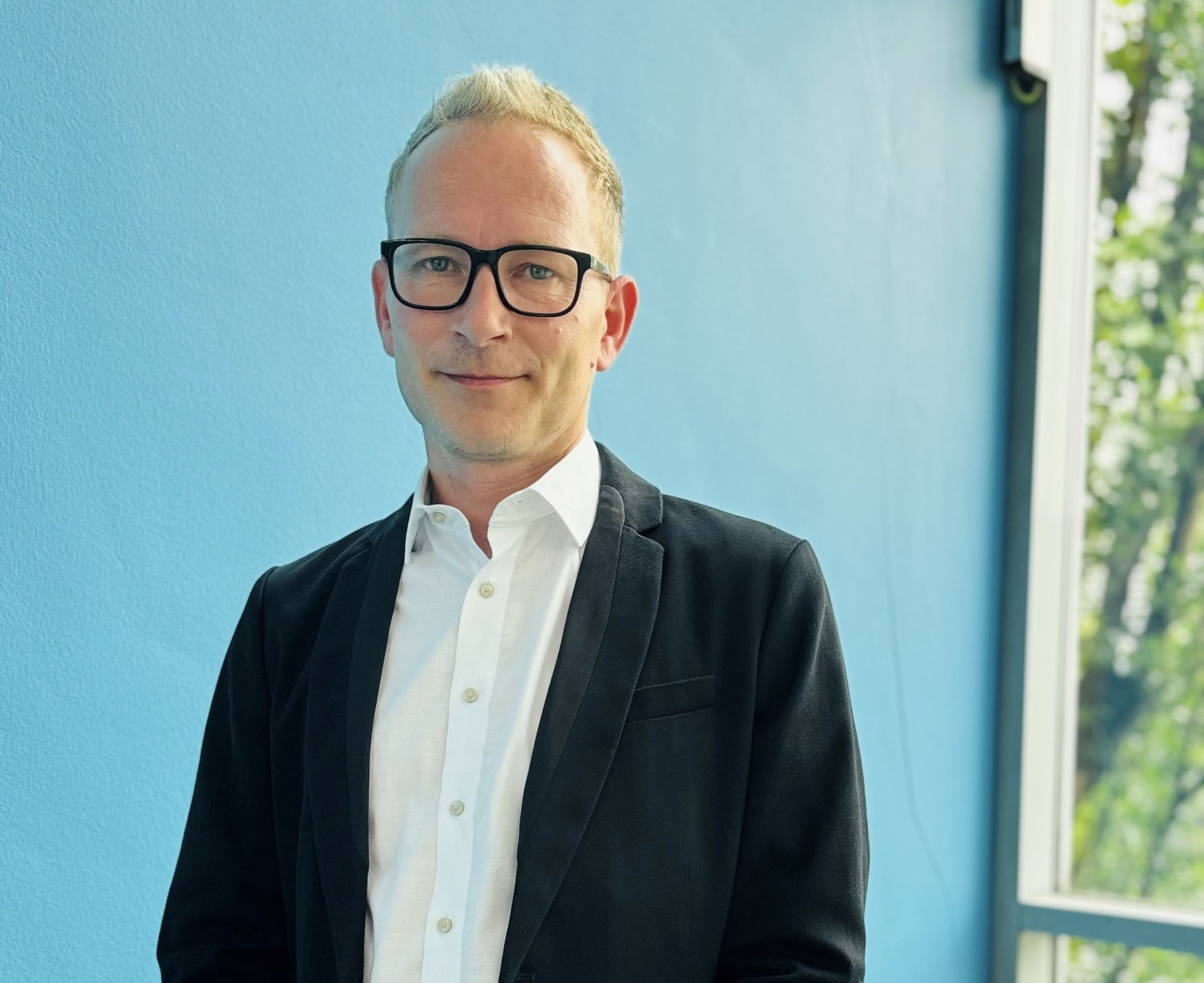
About Stefan Salesch, Director Sales & Marketing, Kontron eSystems GmbH
Stefan Salesch has held various roles at the Leipzig manufacturing site since 1999. Since 2015, he has been responsible for Sales and Marketing at Kontron eSystems and its predecessor company, KATEK in Leipzig. With the acquisition of KATEK, Kontron has developed into a leading international player in the ODM/EMS industry and is consistently continuing this successful growth trajectory as a globally operating company.